
BP Oil Spill Lawsuit | Settlement, Compensation & Claims Guide
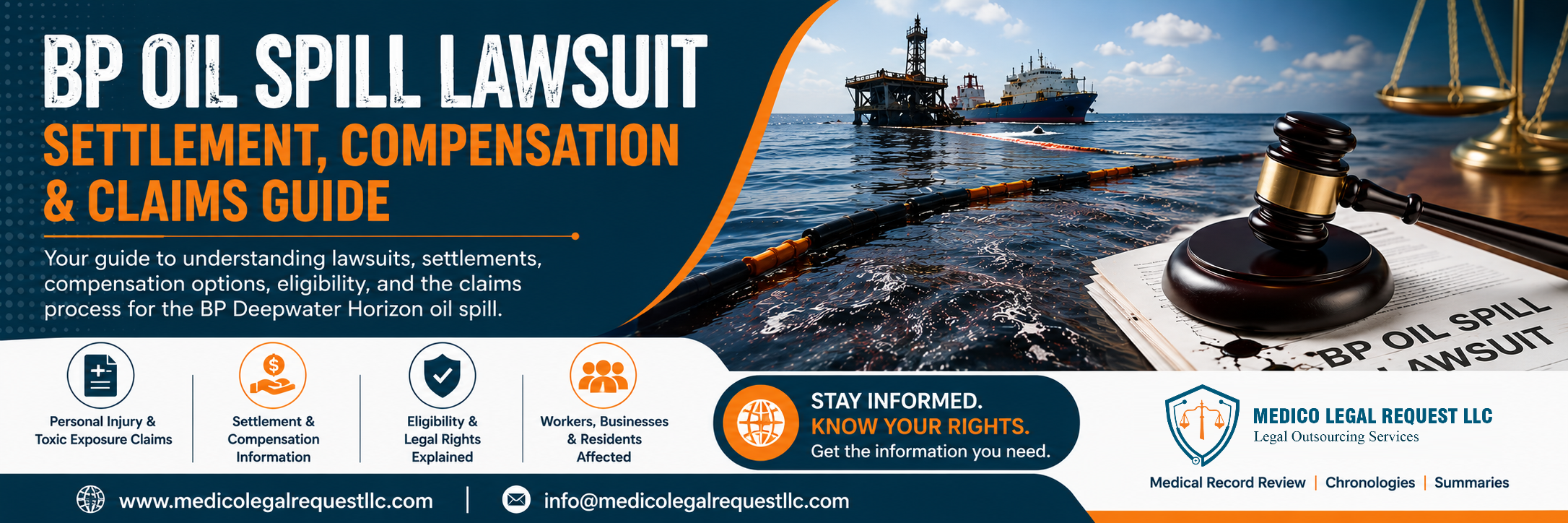
The Deepwater Horizon (BP) oil spill remains one of the most devastating environmental disasters in U.S. history. Beyond its environmental impact, the disaster affected thousands of workers, residents, business owners, and coastal communities across the Gulf Coast. It resulted in significant economic losses, health concerns, and one of the largest environmental legal battles ever pursued in the United States.
More than a decade later, the BP oil spill continues to be the subject of legal discussions, particularly for individuals seeking information about lawsuits, settlements, compensation, and claims related to injuries or financial losses. This guide explains the background of the litigation, who may qualify for compensation, the types of damages that may be available, and the importance of documentation when pursuing a claim.
------
Understanding the BP Oil Spill
On April 20, 2010, the Deepwater Horizon offshore drilling rig exploded in the Gulf of Mexico while drilling an exploratory well for BP. The explosion claimed the lives of 11 workers, injured many others, and caused an uncontrolled release of millions of barrels of crude oil into the Gulf over several months.
The environmental disaster severely impacted marine ecosystems, wildlife habitats, fisheries, tourism, and coastal businesses throughout Louisiana, Mississippi, Alabama, Florida, and parts of Texas. Thousands of cleanup workers were deployed to contain and remove the oil, while residents living near affected coastal areas reported health concerns that they believed were associated with exposure to oil, dispersants, and other hazardous substances.
The incident ultimately resulted in billions of dollars in settlements, penalties, and restoration efforts, making it one of the largest environmental disasters in modern history.
------
What Is the BP Oil Spill Lawsuit?
The BP Oil Spill Lawsuit refers to the collection of legal actions filed against BP and other responsible parties following the Deepwater Horizon disaster. These lawsuits sought financial recovery for individuals, families, businesses, and organizations that suffered injuries, property damage, or economic losses because of the spill.
Claims have involved a wide range of issues, including:
Personal injuries
Toxic chemical exposure
Wrongful death
Property damage
Lost wages
Business interruption
Environmental damage
Long-term medical complications
While many claims were resolved through settlement programs established after the disaster, others proceeded through individual lawsuits depending on the specific circumstances and evidence available.
------
Who May Be Eligible for Compensation?
Eligibility for compensation depends on several factors, including the nature of the injury or financial loss, the claimant's connection to the affected area, and the supporting evidence available. Every case is unique, and legal eligibility varies depending on the facts and applicable legal requirements.
Potential claimants may include:
Cleanup Workers
Individuals involved in oil spill cleanup operations who later developed respiratory illnesses, skin disorders, or other medical conditions potentially related to chemical exposure.
Offshore Workers
Employees working on offshore drilling platforms, vessels, or nearby facilities who suffered injuries during or after the disaster.
Commercial Fishermen
Commercial fishing businesses that experienced income loss due to fishing closures, contamination, or reduced seafood demand.
Coastal Businesses
Hotels, restaurants, charter operators, tourism companies, and other businesses that experienced financial hardship because of the spill's impact on local economies.
Property Owners
Individuals whose residential or commercial properties were contaminated or experienced a decline in value because of the environmental disaster.
Residents
People living near affected coastal regions who experienced health concerns or other damages they believe were associated with prolonged exposure.
------
Common Health Conditions Reported
Individuals involved in cleanup operations or living in affected coastal communities have reported a variety of health concerns following the BP oil spill. Although every person's situation is different and medical evaluation is essential, several conditions have commonly been cited in claims involving environmental exposure.
Reported conditions include:
Respiratory problems
Chronic coughing
Asthma-like symptoms
Eye irritation
Skin rashes
Chemical burns
Headaches
Neurological symptoms
Fatigue
Gastrointestinal issues
Some individuals have also pursued claims involving chronic illnesses that they believe may be associated with long-term exposure. Medical documentation is often an important part of evaluating these claims.
------
Types of Compensation Available
The compensation available in a BP oil spill lawsuit depends on the specific facts of each case, including the severity of injuries, financial losses, and the supporting evidence presented. Settlement programs and courts generally evaluate claims individually, considering both economic and non-economic damages. Individuals with well-documented losses are often in a stronger position to demonstrate how the disaster affected their health, livelihood, or property.
Depending on the circumstances, compensation may include:
Medical Expenses
Coverage for hospital visits, physician consultations, diagnostic testing, medications, rehabilitation services, and future medical care related to injuries or illnesses associated with the oil spill.
Lost Income
Compensation for wages lost due to the inability to work, reduced earning capacity, or long-term health conditions that affect future employment opportunities.
Pain and Suffering
Damages awarded for physical pain, emotional distress, mental anguish, and the reduced quality of life experienced because of injuries or prolonged health complications.
Property Damage
Financial recovery for contaminated property, cleanup costs, repair expenses, or diminished property value resulting from the environmental disaster.
Business Losses
Compensation for businesses that experienced reduced revenue, interrupted operations, canceled contracts, or other financial hardships caused by the oil spill.
------
What Evidence Helps Support a Claim?
A successful BP oil spill claim relies heavily on accurate and complete documentation. Whether the claim involves personal injury, toxic exposure, property damage, or economic losses, supporting evidence helps establish the connection between the claimant's damages and the effects of the oil spill. Thorough documentation also enables attorneys and experts to evaluate the strength of a claim more effectively.
Helpful evidence may include:
Medical records and treatment history
Hospital discharge summaries
Physician and specialist reports
Diagnostic imaging and laboratory results
Employment records
Payroll information
Cleanup work documentation
Tax returns and financial statements
Property ownership records
Exposure history
Incident reports
Witness statements
Keeping records organized from the beginning can simplify the claims process and reduce delays when supporting documentation is requested.
------
Why Medical Documentation Matters
Medical documentation plays a significant role in environmental exposure litigation because it provides an objective record of a person's health before and after the alleged exposure. These records help demonstrate when symptoms first appeared, how medical conditions progressed over time, and what treatments were required.
Attorneys and medical experts frequently review medical records to evaluate:
Whether symptoms began after exposure
The progression of medical conditions
Previous medical history
Treatments received
Specialist evaluations
Diagnostic findings
Possible alternative causes of illness
Well-organized medical documentation makes it easier to understand the sequence of medical events and evaluate the overall strength of a claim
------
Challenges in BP Oil Spill Claims
BP oil spill claims often involve complex legal, scientific, and medical issues. Unlike many traditional personal injury cases, environmental exposure claims may require extensive documentation to establish exposure, medical causation, and financial losses. Because symptoms can develop gradually and multiple factors may contribute to certain health conditions, proving a claim can sometimes be challenging.
Some common challenges include:
Demonstrating exposure to hazardous substances
Establishing medical causation
Obtaining missing or incomplete medical records
Documenting employment and exposure history
Addressing delayed onset of symptoms
Interpreting complex scientific evidence
Reviewing records from multiple healthcare providers
Managing thousands of pages of medical documentation
Carefully organized evidence and complete documentation can help address many of these challenges during the legal process.
------
The Role of Medical Record Review in Environmental Litigation
Environmental litigation frequently involves reviewing large volumes of medical records collected over many years. Organizing these records into a clear medical timeline can help attorneys, experts, and legal teams better understand the progression of injuries, treatments, and significant medical events. While medical record review does not determine legal liability, it supports a more efficient evaluation of the available medical evidence.
A comprehensive medical record review may help identify:
Dates of treatment and hospitalization
Diagnoses and medical conditions
Surgical procedures
Medications and treatment plans
Specialist consultations
Follow-up care
Significant medical events
Gaps or inconsistencies in the medical record
For cases involving extensive medical documentation, organized chronologies and summaries can improve efficiency and reduce the time required to locate important medical information.
------
Handling a BP oil spill lawsuit? If you're an attorney seeking professional medical record review support, we're here to help. We have supported law firms with comprehensive medical chronologies, medical record reviews, and case-specific medical condition analyses. Request a sample today by emailing info@medicolegalrequestllc.com.
------
Tips for Individuals Pursuing a Claim
Individuals considering a BP oil spill claim should take proactive steps to preserve documentation related to their injuries, medical treatment, employment, and financial losses. Well-maintained records can help support the claims process and ensure that important information is available if requested by attorneys, insurance representatives, or the court.
Helpful steps include:
Keep copies of all medical records and medical bills.
Maintain a record of symptoms and treatment dates.
Preserve employment records and proof of lost wages.
Save receipts for medical expenses and related costs.
Document property damage or business losses.
Keep correspondence related to the incident or claim.
Consult an experienced attorney regarding your legal rights.
Follow all recommended medical treatment plans.
Taking these steps early can help preserve valuable evidence and improve the overall organization of a potential claim
------
How Medico Legal Request LLC Supports Attorneys
Environmental and toxic exposure cases often involve extensive medical documentation that can be difficult to review efficiently. Attorneys handling these matters may need organized medical records to better understand treatment histories, identify key medical events, and prepare for litigation.
Medico Legal Request LLC supports law firms by providing professional medical record organization and litigation support services, including:
These services are designed to help legal professionals manage complex medical documentation more efficiently while maintaining focus on case strategy and client advocacy.
------
Conclusion
The BP Oil Spill remains one of the most significant environmental disasters in U.S. history, with lasting consequences for workers, coastal communities, businesses, and the environment. Although many lawsuits have been resolved, the disaster continues to serve as an important example of how environmental incidents can lead to complex legal and medical claims.
For individuals pursuing compensation, maintaining organized medical, employment, and financial records is an essential part of the claims process. Comprehensive documentation can help demonstrate the extent of injuries or losses and support a more thorough evaluation of the claim. Likewise, legal professionals handling environmental litigation often benefit from well-structured medical records that make complex case files easier to review and analyze
------
Frequently Asked Questions
------
Have you worked on BP oil spill lawsuit cases?
Yes. Our team has supported law firms handling BP oil spill and other toxic exposure litigation by preparing medical record chronologies, medical record reviews, narrative summaries, and medical billing summaries. We work under attorney direction to organize complex medical records into clear, easy-to-review formats.
------
Do you have medical record review samples for BP oil spill claims?
Yes. We can provide redacted sample medical record reviews and medical chronologies that demonstrate our formatting, organization, and level of detail. To request a sample, please contact us at info@medicolegalrequestllc.com.
------
Why is a medical chronology important in BP oil spill litigation?
BP oil spill cases often involve years of medical treatment and records from multiple healthcare providers. A well-prepared medical chronology allows attorneys to identify key medical events, evaluate treatment progression, recognize potential gaps in care, and review complex records more efficiently.
------
Can someone still pursue a BP oil spill claim?
Eligibility depends on the specific facts of the case, applicable legal deadlines, and the nature of the injuries or financial losses. Individuals should consult an experienced attorney to determine whether legal options may still be available.
------
What documents are important for a BP oil spill lawsuit?
Medical records, physician reports, employment records, financial documents, tax returns, exposure history, property records, and diagnostic reports are among the documents commonly used to support claims.