
Medical Evidence Behind Toxic Chemical Cancer Lawsuits
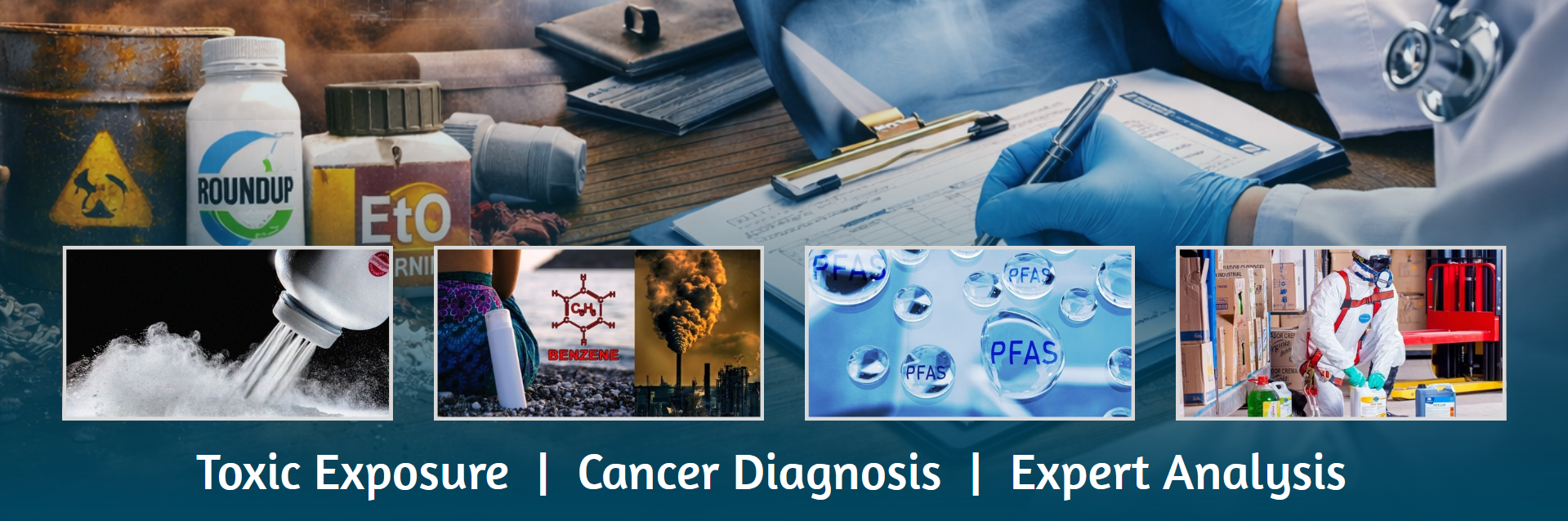
Toxic chemical exposure has become a major focus of litigation worldwide. Thousands of individuals have filed lawsuits claiming that exposure to hazardous chemicals in consumer products, pesticides, industrial compounds, or contaminated environments caused serious cancers. These lawsuits, commonly called toxic tort cases, rely heavily on medical records, scientific evidence, and expert analysis to establish a clear link between chemical exposure and disease.
For law firms handling these cases, medical evidence is often the strongest factor determining whether a claim succeeds or fails. This article explores the major chemical-related cancer lawsuits, the types of cancers involved, and how medical experts analyze the evidence to support legal claims.
--------
Understanding Toxic Chemical Cancer Lawsuits
A toxic chemical cancer lawsuit generally alleges that a company manufactured, distributed, or failed to warn consumers about a dangerous chemical that caused cancer after prolonged exposure.
To win such cases, plaintiffs must typically prove three key elements:
Exposure: The individual was exposed to a specific chemical.
Medical Diagnosis: The person developed a cancer associated with that chemical.
Causation: Medical and scientific evidence shows the exposure significantly contributed to the disease.
Medical records, pathology reports, occupational history, and scientific studies are critical in establishing this connection.
--------
Major Chemical Exposure Cancer Lawsuits
1. Glyphosate (Roundup) Cancer Lawsuits
One of the most widely known toxic chemical litigations involves the herbicide glyphosate, the active ingredient in Roundup weedkiller.
Thousands of lawsuits claim that long-term exposure to glyphosate caused non-Hodgkin lymphoma. In a landmark case, a California jury ruled in favor of groundskeeper Dewayne Johnson, awarding damages after determining that Monsanto failed to warn consumers about potential cancer risks.
Since then, litigation has expanded dramatically:
Over 180,000 lawsuits have been filed related to Roundup exposure.
Bayer (which acquired Monsanto) has already paid billions in settlements and continues to face ongoing claims.
In 2025, a Georgia jury awarded $2.1 billion to a plaintiff who developed non-Hodgkin lymphoma after using Roundup.
These cases rely heavily on medical documentation showing exposure history, diagnosis timelines, and expert oncology evaluations.
--------
2. Talcum Powder and Ovarian Cancer Lawsuits
Another major toxic chemical litigation involves talcum powder products.
More than 60,000 lawsuits have been filed against Johnson & Johnson alleging that asbestos-contaminated talc in its products caused ovarian cancer.
Some significant verdicts include:
$72 million awarded to the family of a woman who died from ovarian cancer.
$417 million awarded in another case involving long-term talc use.
These lawsuits argue that companies failed to disclose the risk of asbestos contamination in talc-based powders.
Medical evidence in these cases often includes:
Gynecologic oncology records
Pathology reports
Evidence of long-term product use
Read more about Talcum Powder Lawsuit Claims
--------
3. Benzene Exposure and Leukemia Lawsuits
Benzene is a well-known industrial chemical found in gasoline, solvents, and certain consumer products. Long-term exposure has been linked to leukemia and other blood cancers.
Benzene-related lawsuits have targeted industries such as:
Oil and gas companies
Chemical manufacturers
Consumer product companies
Plaintiffs typically claim occupational exposure to benzene caused cancers such as:
Acute Myeloid Leukemia (AML)
Chronic Lymphocytic Leukemia (CLL)
Multiple Myeloma
Medical experts review employment records, toxicology data, and hematology reports to establish causation.
--------
4. PFAS (“Forever Chemicals”) Cancer Lawsuits
PFAS chemicals, used in firefighting foams, food packaging, and nonstick products, have also triggered large-scale litigation.
These chemicals have been linked to several cancers, including:
Kidney cancer
Testicular cancer
Liver cancer
Communities exposed to contaminated drinking water have filed lawsuits claiming PFAS exposure caused serious health issues.
Medical records and environmental exposure assessments play a key role in proving these cases.
--------
5. Dioxin and Industrial Chemical Exposure Cases
Dioxin is a highly toxic environmental pollutant linked to multiple cancers.
One early toxic tort case involved a train derailment that released dioxin-containing chemicals into a community, leading to lawsuits claiming serious health effects.
Although the plaintiffs in that case were unable to prove direct causation, it highlighted the importance of strong medical and scientific evidence in toxic tort litigation.
--------
6. Hair Relaxer Cancer Lawsuits
type: entry-hyperlink id: 5OKkP70hBXriMJpEYiLUzi and straightening products have recently become the subject of major product liability litigation.
Thousands of lawsuits claim that manufacturers failed to warn consumers about chemicals in hair relaxers that may increase cancer risk. Research from the National Institutes of Health found that women who frequently used hair straightening products were more than twice as likely to develop uterine cancer compared to those who did not use them.
Studies suggest that chemicals commonly found in these products, such as parabens, formaldehyde, and phthalates, may disrupt hormones and contribute to cancer development.
Cancers associated with these lawsuits include:
Uterine cancer
Ovarian cancer
Breast cancer
Manufacturers named in lawsuits include several major cosmetic companies accused of failing to disclose potential risks.
--------
7. Ethylene Oxide (EtO) Exposure Lawsuits
Ethylene oxide is a gas widely used to sterilize medical equipment and industrial products. However, it is classified as a human carcinogen.
Communities living near sterilization plants have filed lawsuits claiming that emissions of ethylene oxide caused cancer. For example, residents near the Sterigenics facility in Illinois alleged that decades of emissions exposed them to dangerous levels of the chemical.
A Cook County jury awarded $363 million to a woman who developed breast cancer after long-term exposure to ethylene oxide emissions from the facility.
Research has linked EtO exposure to multiple cancers, including:
Breast cancer
Leukemia
Non-Hodgkin lymphoma
Kidney cancer
Brain cancer
These lawsuits rely heavily on environmental exposure data, medical diagnoses, and epidemiological studies.
--------
8. Chlorine Exposure Lawsuits
Chlorine is a widely used industrial chemical found in water treatment facilities, manufacturing plants, and cleaning products. Exposure to chlorine gas can cause severe respiratory injury and long-term health complications.
Workers and residents exposed to chlorine leaks or industrial accidents have filed lawsuits claiming that exposure resulted in chronic lung disease and other serious conditions. Chlorine inhalation can cause severe respiratory damage and lung injury, which in some cases may contribute to long-term health complications.
These lawsuits often involve workplace safety violations, chemical leaks, or inadequate protective measures in industrial facilities.
--------
Types of Cancers Linked to Chemical Exposure
Various chemicals have been associated with specific cancers, including:
Chemical | Associated Cancer Types |
Glyphosate | Non-Hodgkin lymphoma |
Talc/Asbestos contamination | Ovarian cancer, mesothelioma |
Benzene | Leukemia, acute myeloid leukemia (AML), other blood cancers |
PFAS (“Forever Chemicals”) | Kidney and testicular cancer |
Ethylene Oxide (EtO) | Breast cancer, leukemia, non-Hodgkin lymphoma |
Hair Relaxer Chemicals | Uterine cancer, ovarian cancer, breast cancer |
Dioxins | Soft tissue sarcoma, lymphomas |
Industrial solvents | Liver and kidney cancers |
Chlorine gas exposure | Lung cancer risk and severe respiratory diseases |
Medical experts must determine whether the patient’s cancer diagnosis is medically consistent with the known exposure profile of the chemical involved. This evaluation typically involves reviewing medical records, pathology reports, exposure history, and scientific research linking the chemical to specific cancer types.
--------
The Role of Medical Evidence in Toxic Tort Litigation
Medical evidence forms the backbone of toxic chemical cancer lawsuits. Attorneys must demonstrate a clear connection between chemical exposure and the development of cancer.
Key evidence includes:
Medical records and diagnostic reports
Pathology findings confirming cancer type
Exposure timelines and occupational history
Toxicology and epidemiological studies
Expert medical opinions on causation
Without comprehensive medical analysis, establishing causation in toxic tort cases becomes extremely challenging.
--------
How Our Medical Experts Analyze Toxic Chemical Cases
Our medical record review experts provide detailed clinical evaluations to support toxic chemical litigation. Our process includes:
Comprehensive Medical Record Review
Our physicians and clinical specialists analyze hospital records, pathology reports, imaging studies, and oncology documentation to confirm the diagnosis and progression of disease.
Exposure and Causation Analysis
We evaluate occupational records, environmental exposure reports, and scientific literature to determine whether the patient’s cancer is consistent with known chemical exposure risks.
Medical Chronologies and Case Summaries
Our team prepares structured medical chronologies and case summaries that help attorneys quickly understand the medical timeline of each case.
Expert Medical Opinions
We provide evidence-based medical opinions that connect exposure history with clinical findings, strengthening the legal argument for causation.
--------
Looking for mass tort case review samples? We're just a message away. ☎ +1 (903) 765-6073; 📧 support@medicolegalrequestllc.com.
--------
Supporting Attorneys to Win Toxic Chemical Lawsuits
Successful toxic tort litigation requires strong collaboration between legal teams and medical experts. Our services help law firms by:
Identifying key medical evidence
Linking chemical exposure to cancer diagnosis
Preparing clear medical chronologies
Supporting expert witness preparation
Strengthening case documentation
With detailed medical analysis, attorneys can present credible scientific evidence that demonstrates the link between toxic exposure and disease.
--------
Conclusion
Toxic chemical cancer lawsuits continue to grow as more evidence emerges linking environmental and industrial chemicals to serious diseases. From glyphosate and talc to benzene and PFAS, these cases depend heavily on medical documentation, scientific research, and expert analysis.
For law firms handling toxic tort cases, accurate medical record review is essential. Expert medical analysis helps establish exposure, confirm diagnoses, and demonstrate causation, critical steps toward achieving successful legal outcomes.
By providing comprehensive medical record reviews and expert insights, our team helps attorneys build stronger cases and pursue justice for individuals harmed by toxic chemical exposure.